
The Impact of Colonialism on African Fashion
5 min read · Written on November 16, 2025
Introduction
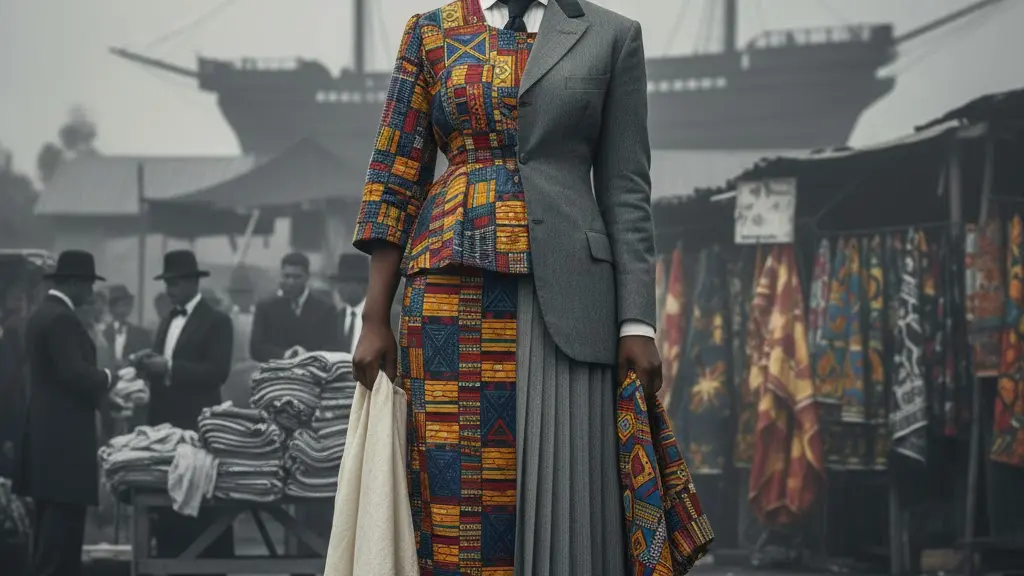
African fashion has a rich and diverse history that spans centuries. It is known for its vibrant colors, bold prints, and unique styles. However, few people know about colonialism’s impact on African fashion. The arrival of European colonizers in Africa in the late 19th century brought about changes in the continent's cultural landscape ( NKITI, 2022). Colonialism affected every aspect of African life, including fashion. The Europeans introduced their style of clothing, which was vastly different from the traditional African attire.
Pre-colonial African Fashion
African clothing and accessories in the past were characterized by a wide range of styles and designs, beadwork, and distinctive hairstyles. Fashion held a significant position in African societies before colonialism, as it allowed individuals to express themselves, display their cultural identity, and demonstrate their social standing ( NKITI, 2022). The garments were often crafted by hand, utilizing locally -sourced materials and traditional techniques, with numerous patterns and motifs, passed down from one generation to the next.
Colonialism in Africa
Colonialism in Africa refers to the period of European colonization of Africa, which began in the late 19th century. European colonizers had a significant impact on African societies, including cultural, political, and economic effects (U.Mi-1, n.d.). European powers sought to exploit African resources and establish their dominance over the continent. This led to the suppression of traditional African clothing and the adoption of European styles. European clothing was seen as a symbol of civilization, and Africans who adopted European clothing were viewed as modern and progressive. As a result, traditional African clothing was seen as backward and primitive, leading to its decline in popularity. Many traditional African clothing and accessories were deemed inferior or backward by European standards.
European Influence on African Fashion
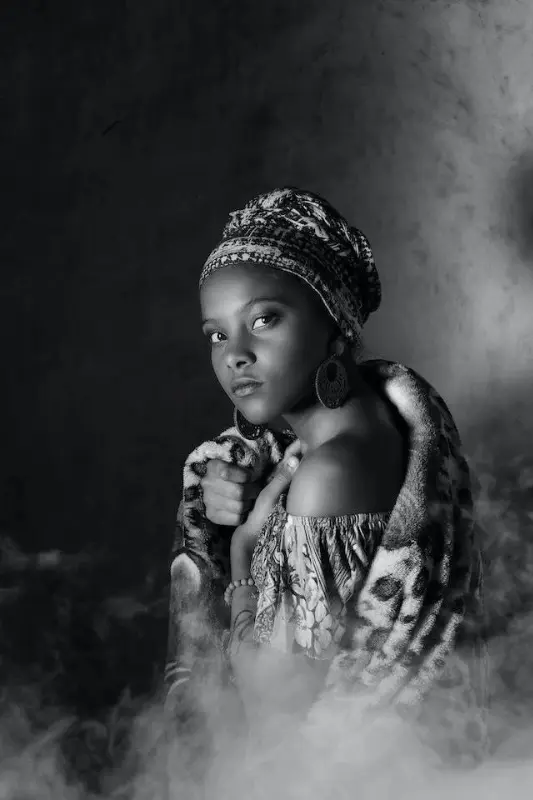
Colonialism led to the decline of African fashion, as people adopted Western-style clothing. European colonizers influenced African fashion in various ways, including through the introduction of new fabrics, styles, and designs.
One of the impacts of colonialism on African fashion was the introduction of new materials and techniques. Europeans brought with them new materials such as cotton, silk, and wool, which were not available in Africa at the time. This made it difficult for local textile producers to compete, and many went out of business. As a result, traditional African textiles and clothing became less popular.
The Evolution of African Fashion Post-Colonialism
Following the colonial period, African fashion underwent a transformation where European styles were often adapted to fit the cultural contexts of African societies, leading to the emergence of hybrid styles that were unique to Africa. Africans incorporated European clothing styles such as suits, dresses, and skirts into traditional African clothing, resulting in innovative and distinct styles. For instance, the Dashiki, a traditional West African garment, was modernized by adding a collar and buttons, which reflected European fashion trends.
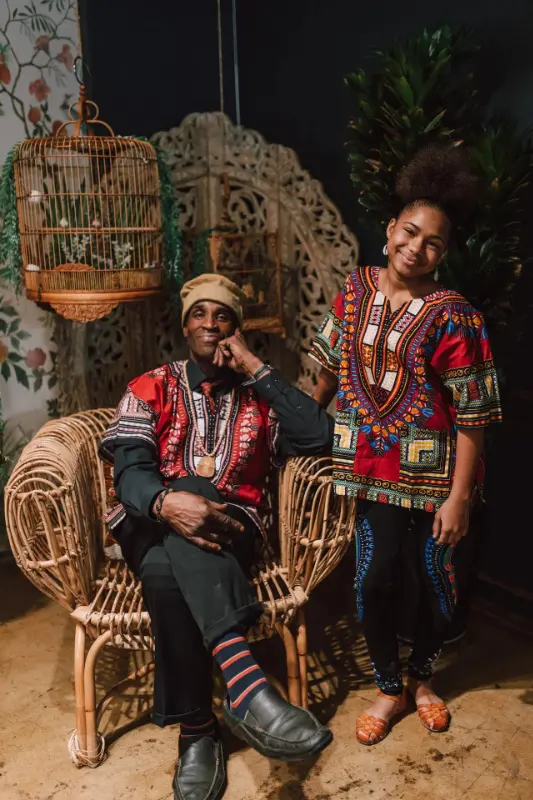
Moreover, European materials such as lace and chiffon became popular among African fashion designers, who incorporated them into their designs, blending traditional African elements with modern European fashion. As a result, African fashion has evolved into a fusion of cultures, with a diverse range of styles that reflect the continent's history and cultural diversity (TRALAC, 2012).
Impact on Modern African Fashion
In contemporary times, African fashion has become a fusion of traditional African styles and modern Western fashion, with the influence of colonialism still evident in many modern African clothing styles, which are inspired by European fashion. Nevertheless, there has been a renewed appreciation for traditional African clothing styles in recent years, as designers strive to reassert African identity and celebrate the continent's diverse cultural heritage.
Furthermore, modern African fashion designers are increasingly embracing sustainable and ethical practices in their designs, resulting in the emergence of a thriving African fashion industry. These designers are using traditional African textiles and techniques to craft modern and fashionable clothing that is not only socially responsible but also environmentally friendly.
By incorporating sustainable practices, such as using eco-friendly materials and reducing waste, these designers are not only contributing to the growth of the African fashion industry but also promoting sustainable development. The Larry Rowbs Foundation's mission to promote sustainable and ethical fashion in the African industry aligns seamlessly with the growing trend among modern African fashion designers. Furthermore, their designs showcase the richness and diversity of African culture, providing a platform for African artisans and creatives to showcase their talent and skills to a global audience.
Overall, the shift towards sustainable and ethical practices in the African fashion industry is a positive development that supports both social and environmental responsibility, while also promoting economic growth and cultural diversity.
Conclusion
African fashion has adapted over centuries while retaining its authenticity despite colonialism's influence. Traditional patterns merged with modernity pave the way for future sustainable garments. All aspects taken together, we can recognize the powerful potential stemming from using African fashion as a revolutionary platform. In this spirit, let us carry forth this message and add our part towards sustainable fashion rooted in African culture and tradition!
Reference
NKITI. (2022, March 07). WHAT TO LEARN ABOUT THE HISTORY AND EVOLUTION OF AFRICAN FASHION.
TRALAC. (2012, June 14). Analysis of Colonialism and Its Impact in Africa.
U.Mi-1. (n.d.). AFRICAN FASHION: HISTORY AND FUTURE.