
Environmental Impacts of the Fashion Industry
6 min read · Written on November 16, 2025
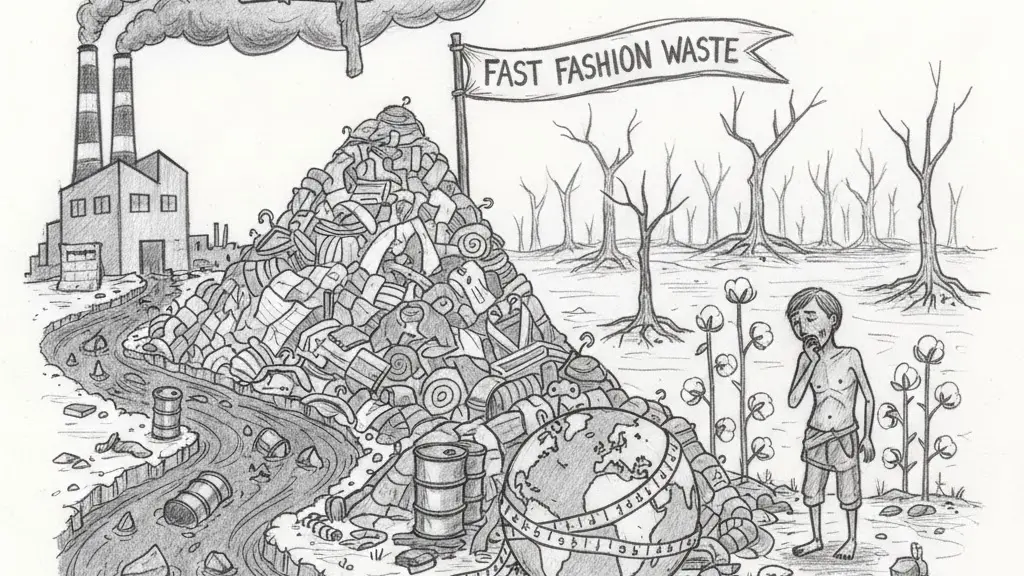
Fashion Industry: Behind the Glamour
Do you know the fashion industry is the second most polluting industry in the world? Every stage in the fashion industry, raw material extraction, production, manufacturing, packaging, and transportation, affects the environment. The fashion industry creates on earth annually 92 million tons of textile waste, with 85% of those clothes ending up in landfills.
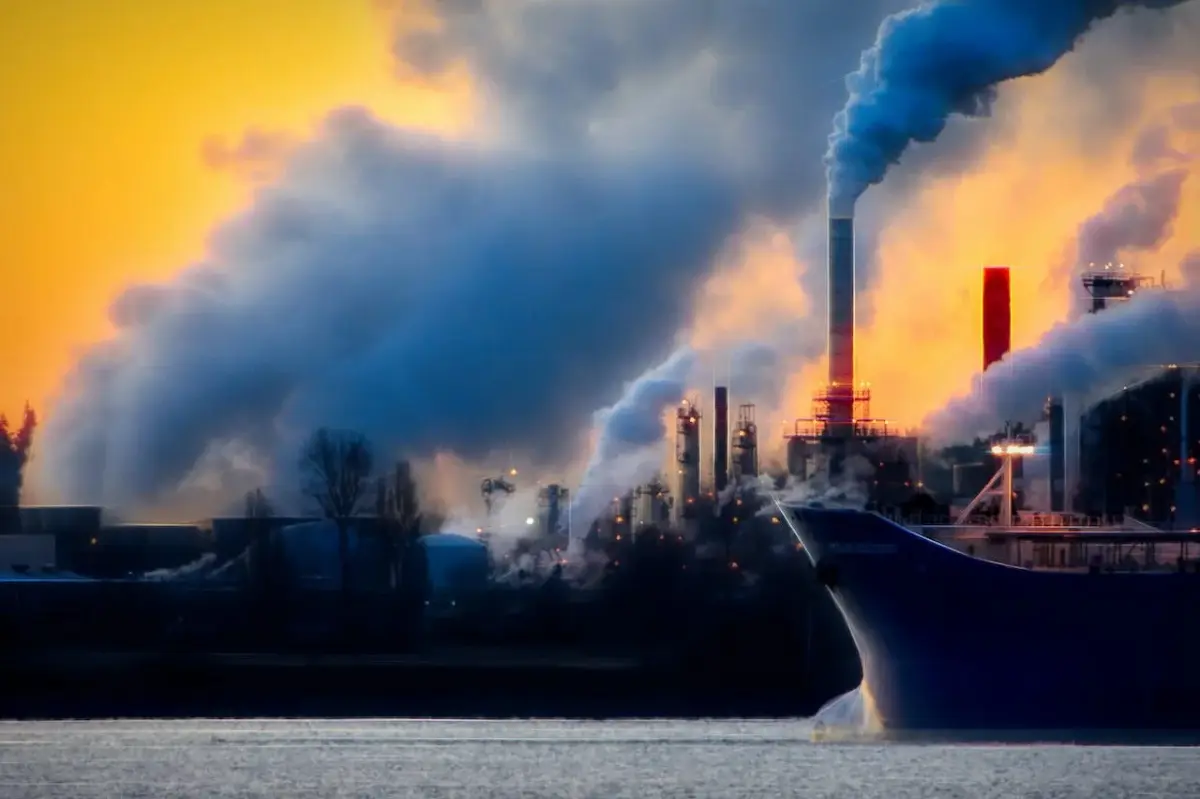
Twenty-one billion pounds of textile waste go to landfills, and only 15 get donated or recycled. Each year, 200,000 tons of clothes end up as waste. This overconsumption of resources and production of waste materials is the cause of pollution. Despite these worse environmental impacts, however, the industry continues to grow due to the rise of fast fashion. Also, fashion industry is contributing to carbon footprints or emission of greenhouse gasses.
Dead White Man's Clothes
Have you ever thought about the fate of your old and worn-out clothes or when you handed over those clothes to the op shop? Many of our old clothes, donated to charities, ended up in the rotten textile mountains in West Africa. When charities in Australia or any other developing countries can't sell donated clothing, tons of it are exported to countries like Ghana, West Africa. Ships after ship docks weekly with bales from Australia, China, Europe, and the US. It is called Dead White Man's Clothes or second-hand clothing. When they arrive in Ghana, people take them to the bustling Kantamanto markets in the capital, Accra, and from here, they make their way to other villages and towns across the country. Here is a dark side behind the world's fashion addiction.
While 60% of clothing is reusable, 40% is just trash that fills dumpsites, creating an environmental disaster for this nation. So, now dumpsites are growing so fast that there is no room left for more. These mountains are full of old-fashioned items and set to fire to make room for more, increasing air pollution. The duped textiles also get swept up due to rain and disturb the city's water management system, endangering the aquatic life.
Environmental Issues
Water Consumption
One of the most significant environmental impacts of the fashion industry is consuming too much water. The raw material is the essential part of the fashion industry. Natural fiber like
cotton is most widely used in the fashion industry and requires more water, land, fertilizers, pesticides, etc. Textile manufacturers use an immense amount of water and chemicals during dyeing and finishing in clothing production.
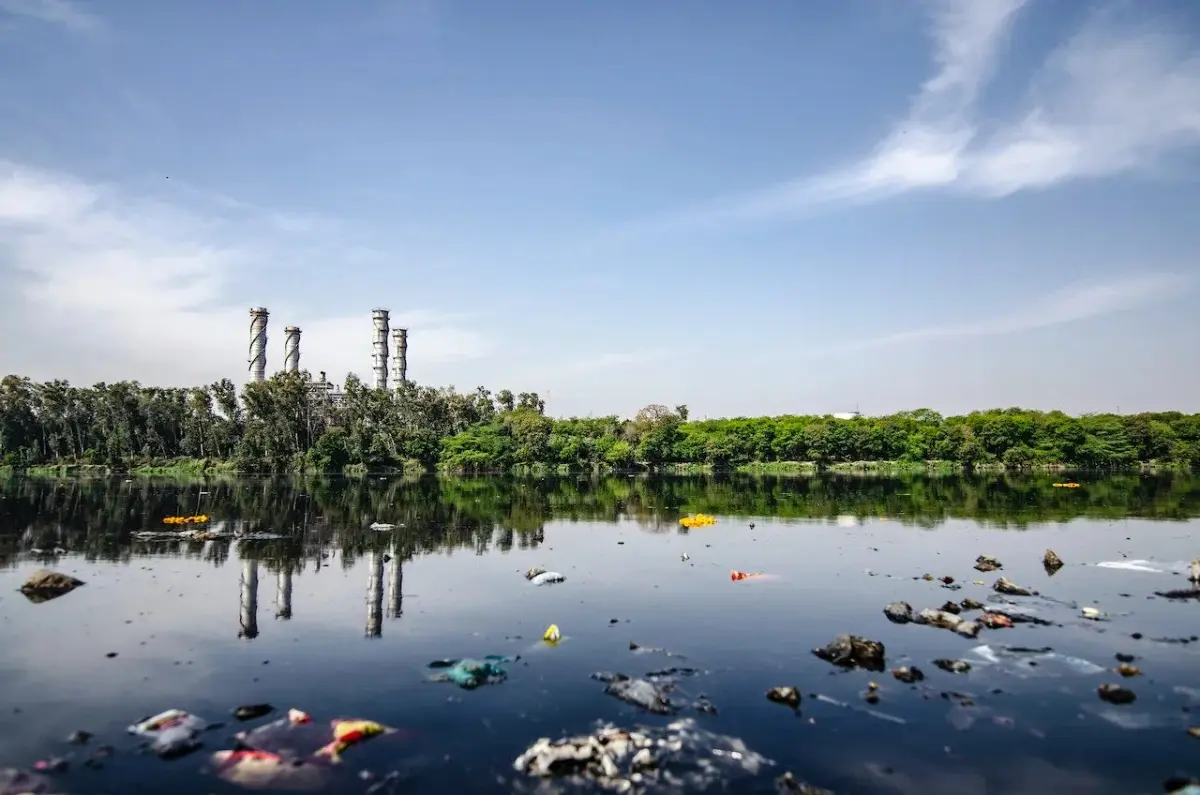
Do you know a single cotton t-shirt you wear consumes 2700 liters of water?
Moreover, these industries discharge contaminated water into rivers and streams, which causes water pollution. Also, it endangers the aquatic life. In addition to killing insects, pesticides contaminate soil, turf, and water. Fertilizers also have adverse impacts by reducing the nutritional value of the food. Also, it results in soil acidification.
Energy Usage and Air Pollution
Another environmental impact of the fashion industry is energy usage.
Do you know the textile industries uses approximately 80% of energy during their manufacturing process?
Textile machinery, like air pumps and sewing machines, needs more energy. Washing, dyeing, and drying processes require an immense amount of heat. Fossil fuels are also an essential source of energy. Textile manufacturers use fossil fuels in every stage of clothing production.
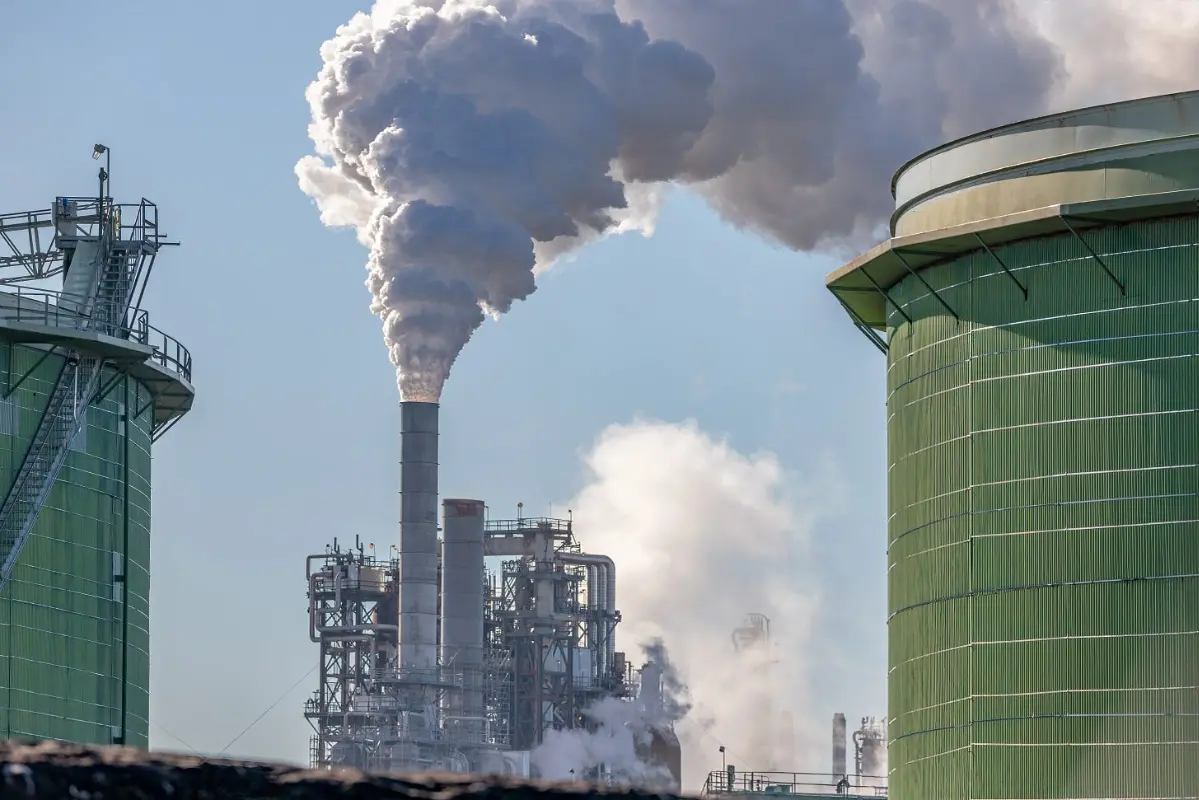
Air pollution is also a crucial problem for our environment. Diesel generators, boilers, and thermo packs generate pollutants released into the air. These pollutants include sulfur dioxide gas, oxides of nitrogen gas, etc., resulting in acid rain. These are the causes of air pollution and climate change.
Waste Production
We all love fast fashion due to its low cost and quick manufacturing, variation in designs and styles, etc. But have we ever thought that these quick turnovers of styles and designs cause the garment to be worn only a few times before being discarded or ending up in landfills?
This results in waste production. Topshop, Zara, and H&M are the brands that follow the fast fashion model and renew their collection almost every week. This results in the overconsumption of resources.
Carbon Footprints of the Fashion Industry
The carbon footprint is a term that evaluates the total emission of greenhouse gases due to human activities. Greenhouse gases like carbon dioxide, methane, nitrous oxide, and water vapors trap the heat in the atmosphere and warm the earth. That's why the fashion industry is considered an essential source of greenhouse gases.
During the production of one kg of fabric, almost 20-30 kg of greenhouse gas emits.
We all know that the fashion industry is the second-most polluting industry, contributing 10% of global carbon emissions and 20% of all global water crises. The fashion or textile industry releases carbon footprints all over the manufacturing stage. Cotton produces less greenhouse gases as compared to polyester. Carbon footprints are heating our atmosphere, which is harmful to our environment.
How Sustainable Fashion is Helping Our Environment
Sustainable fashion produces ethical and eco-friendly clothes, but they are less affordable than fast fashion. Sustainable fashion
uses natural or recycled raw materials.
low impact dyeing
Use environment-friendly energy resources.
more focus on recycling, upcycling, and upcycling
promotes circular economy.
Larry Rowbs Foundation is trying to lower the harmful impact of the fashion industry on our environment. They use eco-friendly manufacturing methods with 100% biodegradable materials, focusing on recycling and upcycling techniques. They are trying to transform unusable fashion items into stylish, durable fashion products. Their designs are long lasting made with sustainable materials in environment friendly factories. Their products include hoodies, dresses, shirts, shoes, and many more yet to come. Some of their products are,

Summary
In short, the fashion industry, in terms of fast fashion, has more negative impacts on our environment. They are air and water pollution, carbon footprints, waste production, overconsumption of resources, and many more. The fast fashion industry is polluting the environment badly. Fast fashion has made people hungry for new trends, designs, and looks.
They want new clothes and dispose of the old ones, which results in the production of waste. It's time to think about sustainable options over fast fashion.
Reference
Bailey, K., Basu, A., & Sharma, S. (2021). The Environmental Impacts of Fast Fashion on Water Quality: A Systematic Review. Water, 14(7), 1073.
Niinimaki, K., Peters, G., Dahlbo, H., Perry, P., Rissanen, T., & Gwilt, A. (2020). The environmental price of fast fashion. Nature Reviews Earth & Environment, 1(4), 189-200.
Sriranjan, R. (2023). The impact of fashion industry on the environment and how Sustainable Fashion Is Changing it, Greenmarket.
Brand, C. F. (2022, September 24). Carbon footprint in textiles - Create Fashion Brand (CFB). Create Fashion Brand - Clothing Manufacturers.