
The Role of International Organizations in Shaping Textile Production Policies and Guidelines
5 min read · Written on November 16, 2025

Introduction
The textile industry is a significant contributor to the global economy, with millions of people employed in textile production and trade around the world. A large number of clothes, approximately, a million tons of clothes are produced every year by fashion designers. Clothes made by fast fashion contain fiber that is synthetic and non-biodegradable. Mostly these clothes are being dumped into Africa which has severe environmental effects on the climate of this region which is the epitome of culture in the world. Complete policies and guidelines are necessary for the textile industry. International organizations play a critical role in developing and implementing these policies and guidelines. All organizations work to ensure that the textile industry operates in a socially and environmentally responsible manner.
The Background of Textile Production
The textile industry has a long history of about more than 100 years. With the passage of time, this industry made advancements in itself. In ancient times, people made clothes with natural fibers such as cotton, wool, silk, etc. All these materials from spinning to the weaving of thread were processed by hand. At that time, the clothes were biodegradable and compostable.
In the 18th and 19th centuries, advancements were made in the textile industry with the invention of different machines for spinning thread such as power looms. These machines resulted in more efficiency in the textile industry and massive production of clothes. This helps more people to access clothes globally.
Social and Environmental Impacts
Advancements have made significant social and environmental impacts.
One of the most notable impacts is on labor practices. The industrialization of textile production led to the creation of factory systems that employed large numbers of workers. Secondly, power looms created a high level of noise which affected the mental health of workers and people living in the surroundings.
In addition to the social impact, significant environmental impacts also occurred.
The use of synthetic materials such as polyester and nylon increased which are non-biodegradable in nature.
Textile industries also used chemicals and dyes. Discharge of untreated water from industries in freshwater channels caused water pollution, affecting both human and animal health.
Negative Impacts of Textile Waste
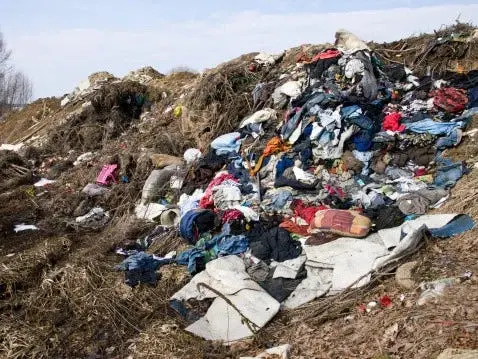
A huge amount of textile waste is produced on a daily basis. That waste is being dumped into African countries. About 30-40% of the clothes that are dumped are in bad condition. Moreover, about 70% of the clothes are made with synthetic fiber which is a non-biodegradable and oil-based plastic. These synthetic fibers take hundreds of years to biodegrade. This plastic continues to leach into the natural environment and is added to the food chain. There is no properly developed infrastructure for disposing of clothes. Textile wastes are being dumped along rivers and settlements. When this plastic is burned, plastic fibers are released into the air. This ultimately leads to health issues. Moreover, the decomposition of clothes releases methane into the environment, ultimately leading to climate change.
International Organizations in Textile Production Policies
In recent years, there has been a growing awareness of textile production's social and environmental impacts. International organizations and governments have developed policies and guidelines aimed at promoting sustainable and responsible textile production practices, such as reducing water usage, improving working conditions, and using eco-friendly materials and processes. Some of the international organizations are;
International Labor Organization (ILO)
World Trade Organization (WTO)
United Nations Conference on Trade and Development (UNCTAD)
United Nations Environment Programme (UNEP)
These organizations aim to create a sustainable and responsible textile industry by developing and promoting standards and guidelines related to environmental and social sustainability, labor practices, and trade policies.
Sustainable Textile Production Policies and Guidelines
Some key policies and guidelines for sustainable textile production are;
Zero discharge of hazardous chemicals:
This initiative aims to treat polluted water containing different dyes and chemicals properly before releasing it into the natural environment.
Organic textile standards:
The material used for textile products should be organic and biodegradable.
Use of eco-friendly material:
For sustainable textile production, clothes should be reused, recycled, and easy to repair. The use of synthetic fibers should be decreased.
Reduce carbon emissions:
By implementing energy-efficient practices, using renewable energy, and minimizing the use of fossil fuels in production.

Importance of Textile Production Policies and Guidelines
Key points of sustainable textile production policies and guidelines are
Sustainable textile policies and guidelines help to reduce these negative impacts and promote more environmentally friendly production practices.
It promotes fair labor practices and improves working conditions for textile workers and access to social benefits.
Sustainable textile policies and guidelines provide a framework for companies to reduce their environmental impact.
Conclusion
The importance of effective textile production policies and regulations should not be underestimated. As outlined above, the textile industry plays a significant role in global economics, yet it regularly impacts the environment in detrimental ways. International organizations are critical to developing necessary guidelines which must be followed to reduce the negative impacts of fashion production on local ecosystems and climate. With their ability to influence global perspectives on environmental issues, international organizations can continue to lead us toward a more sustainable future concerning textile production. By understanding the impact of cultural biases and ignorance, we can move beyond outdated systems and practices in this sector that have long been entrenched around the globe. The time has come for lasting action as we seek better days ahead regarding sustainable textile production. Let us embrace this approach and make our contribution towards sustainable fashion that is rooted in the values and traditions of Africa.
Reference
Greenpeace (April 2022)