
Role of Chemical Recycling in Promoting Sustainable Waste Management
6 min read · Written on November 16, 2025

Introduction: What is Chemical Recycling
Chemical recycling is a process that breaks down waste materials into their chemical building blocks, which can then be used to create new materials. In the fashion industry, chemical recycling can be used to recycle textile waste such as polyester, nylon, and other synthetic fibers. This process can reduce the amount of waste generated from textile production and consumption and promote circularity in the industry.
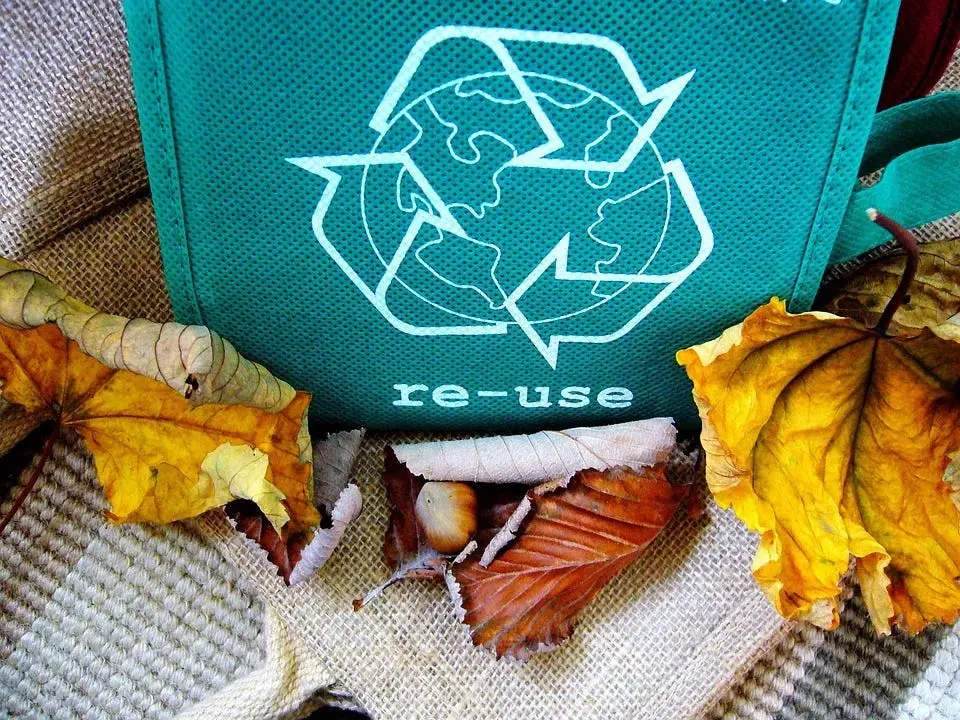
Chemical recycling is a process that breaks down waste materials into their chemical building blocks, which can then be used to create new materials. In the fashion industry, chemical recycling can be used to recycle textile waste such as polyester, nylon, and other synthetic fibers. This process can reduce the amount of waste generated from textile production and consumption and promote circularity in the industry.
Nowadays, we are using recycled polyester which originates from plastic bottles. Collect the bottles, clear and colored bottles are separated. Then isolate caps and labels and shred the bottle into small pieces. After drying the shredded pieces, a machine called an Extruder where plastic is heated and extruded through the tiny holes until fabric comes out. That fabric is split up and bailed to turn out the yarn. Then carding and spinning machines make the actual yarn which wove into the fabric.
Sustainable fashion versus chemical recycling: Finding the right balance
The fashion industry has come under scrutiny for its impact on the environment, with a significant amount of waste generated from textile production and consumption. To tackle this issue, many sustainable fashion brands have emerged, promoting environmentally friendly production and consumption practices. However, chemical recycling has also gained attention as a solution to reduce waste and promote circularity in the industry. So, what is the best approach to promote sustainability in the fashion industry: sustainable fashion or chemical recycling?
Finding the right balance
Both sustainable fashion and chemical recycling have their advantages and limitations in promoting sustainability in the fashion industry. While sustainable fashion promotes more sustainable consumption habits, it may not effectively address the issue of textile waste generated from production and consumption. On the other hand, chemical recycling can reduce waste and promote circularity, but it requires significant amounts of energy and can be harmful to the environment if not managed properly.
Therefore, the best approach to promoting sustainability in the fashion industry may be a balance of both approaches. Sustainable fashion can promote more sustainable consumption habits while chemical recycling can effectively reduce textile waste generated from production and consumption. Moreover, sustainable materials can be used in the chemical recycling process, promoting a more circular approach to textile production and consumption.
Chemical Recycling in the Context of Sustainable Waste Management
Chemical recycling helps a lot in the fashion industry as well as in the textile industry by reusing old and worn-out clothes into new ones. And the new ones are classy and less costly.
Reducing textile waste:
By converting old clothes into new ones through chemical recycling, we can reduce the amount of waste generated from textile materials. This can help to reduce the amount of clothing that ends up in landfills or incinerators, which can have negative environmental impacts.
Saving energy:
Chemical recycling can also help to save energy compared to traditional textile recycling methods, which require a lot of energy to break down the fibers. Chemical recycling can use lower temperatures and less energy to break down the fibers, which can help to reduce greenhouse gas emissions.
Preserving resources:
By recycling old clothes through chemical recycling, we can help to preserve natural resources such as water and raw materials. This is because traditional textile production methods require a lot of water and raw materials to produce new clothes.
Reducing the need for incineration:
In addition to landfill waste, old clothes can also be burned in incinerators, which can release harmful pollutants into the air. Chemical recycling can help to reduce the need for incineration by providing an alternative way to dispose of old clothes.
Creating new business opportunities:
Chemical recycling can also create new business opportunities for companies that specialize in this technology. By creating new and fashionable clothes from old textiles, companies can tap into the growing demand for sustainable and ethical fashion.
Promoting circular economy:
Chemical recycling can also help to promote a circular economy, where waste is minimized, and materials are reused and recycled. By transforming old clothes into new and fashionable ones, we can keep materials in use for longer and reduce the need for virgin resources.
Sustainable Development Goals
Chemical recycling can play a critical role in achieving the United Nations Sustainable Development Goals, specifically Goal 12 — Responsible Consumption and Production. By promoting sustainable waste management practices, chemical recycling can help reduce the environmental impact of consumption patterns, create new opportunities for green jobs, and contribute to a more sustainable and equitable future for all.
How Africa Tackles Sustainability
In Nigeria, a company called Recycle Points has developed a recycling program that includes textile waste. The company collects textile waste from households and businesses and uses chemical recycling to turn it into new fabrics.
The Ethical Fashion Initiative, a project of the International Trade Centre, has launched a pilot project in Kenya to recycle textile waste. The project collects textile waste from local factories and uses chemical recycling to turn it into new fabrics, which are then used to create new products.
In South Africa, a company called Waste2Wear has developed a process to recycle PET bottles and polyester clothing into new fabrics. The company has partnered with local textile manufacturers to produce recycled polyester fabrics that are used in a variety of products, including clothing, bags, and home textiles.
Role of Larry Rowb’s Foundation in Promoting Recycling and Sustainability
This foundation is working for sustainable fashion by transforming unusable clothes into new and fashionable products that are sleek, long-lasting, and ecological. Their mission is to reduce waste by creating fashion. Sustainability has become a need these days.
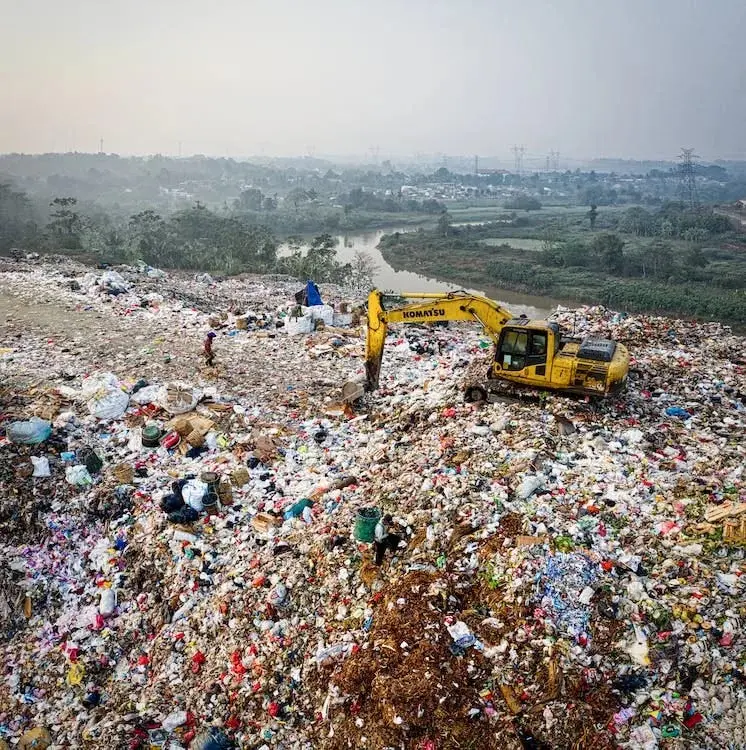
When we recycle, we're changing the world for the better, one item at a time. By bringing in old clothing to recycle, we can reduce waste and keep the cycle of sustainable fashion going. - Livia Firth
Conclusion
In short, chemical recycling of old clothes into new and fashionable ones can have significant benefits for sustainability and waste management by helping to reduce waste, save energy, preserve resources, create new business opportunities, and promote a circular economy.